





The phrase can describe different looks depending on the creator. For some, it means a deliberately tired or eerie makeup effect; for others, it is a broader approach to beauty that challenges conventional ideas of perfection. The common thread is experimentation: using makeup, hair, nails, and styling to create a distinctive visual identity.
What Is Sick Beauty?
Sick beauty is best understood as an experimental beauty aesthetic rather than a single makeup technique or officially defined beauty category. The goal is often to create contrast between conventional glamour and elements that look imperfect, unusual, moody, or intentionally unsettling.
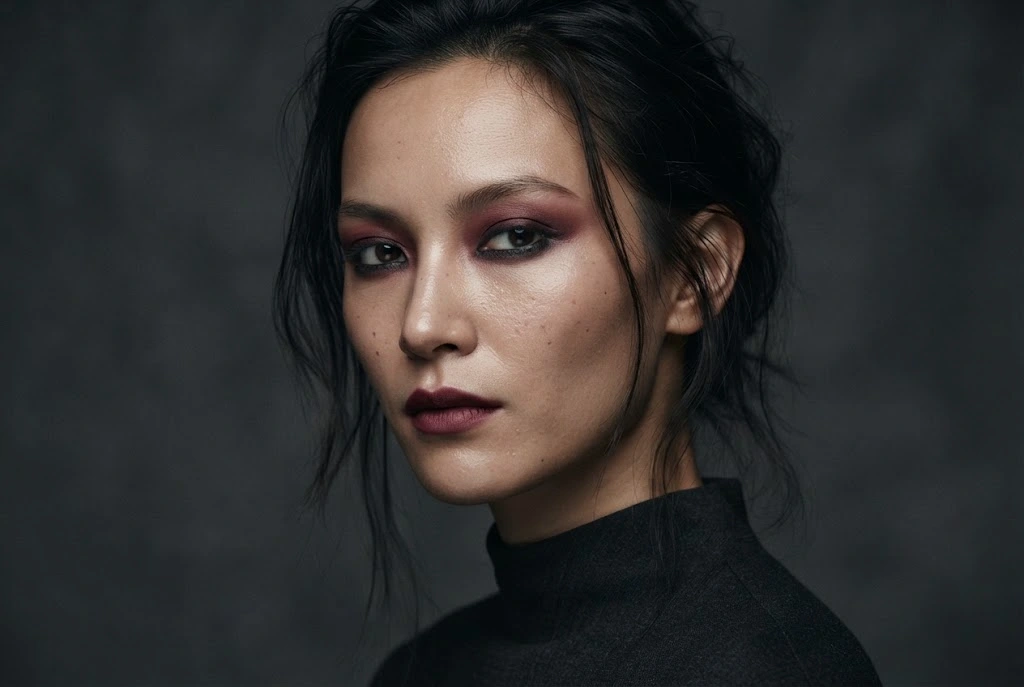
A sick beauty-inspired look might combine luminous skin with deliberately muted under-eyes, a strong lip with minimal complexion makeup, or otherwise traditional glam with unexpected colors and textures. The result can be editorial, artistic, gothic, grunge-inspired, theatrical, or simply different from everyday makeup.
Because the term is flexible, there is no single formula that everyone has to follow. Your interpretation can be subtle enough for a night out or dramatic enough for a photoshoot, costume, creative project, or social-media post.
Why the Aesthetic Stands Out
Traditional beauty often emphasizes symmetry, smoothness, freshness, and visual perfection. Sick beauty takes a different route by making contrast part of the design.
- Unexpected contrast: Soft skin can be paired with darker eyes or stronger pigments.
- Expressive color: Reds, browns, mauves, purples, grays, and deep neutrals can create a more dramatic mood.
- Visible texture: Matte, glossy, metallic, and blurred finishes can be combined intentionally.
- Imperfect details: Slightly smudged liner or diffused shadow can create character instead of looking like a mistake.
- Individual expression: The aesthetic gives the wearer room to interpret beauty according to their own style.
How to Create a Sick Beauty Makeup Look
1. Start With a Comfortable Base
Begin with clean, moisturized skin and choose a complexion finish that fits the look you want. A natural or softly luminous base can create an interesting contrast with darker eye makeup, while a matte finish can make the overall result feel more editorial.
There is no need to cover every natural feature. Letting some freckles, texture, or natural variation remain visible can actually support an intentionally unconventional aesthetic.
2. Create the Eyes First
The eyes are often the strongest part of an experimental beauty look. Try softly blending brown, burgundy, plum, charcoal, or muted red around the eye area. Rather than creating a perfectly sharp transition, allow selected edges to remain diffused.
For a more dramatic interpretation, add a thin black liner or deepen the outer corner. The key is control: an intentionally smudged effect should still look designed rather than accidental.
3. Experiment With Under-Eye Color
A subtle wash of muted red, mauve, brown, or plum beneath the eyes can create the slightly tired or haunting quality associated with some sick beauty interpretations.
Use a light hand and build gradually. Strong pigment can quickly become difficult to blend, so layering small amounts gives you greater control over the final intensity.
4. Keep the Lips Intentional
Lip color can either balance the eyes or become the focal point. Deep red, muted berry, brown, wine, nude, and unconventional shades can all work depending on the overall concept.
For a polished editorial appearance, keep the lip edges defined. For a more distressed or artistic look, a softly blurred lip can create a deliberately imperfect finish.
5. Coordinate Hair and Nails
Sick beauty does not have to stop at makeup. Hair and nails can reinforce the same visual story. Messy waves, sleek dark hair, unusual accessories, monochromatic nails, metallic details, or deep nail colors can all complement an experimental makeup look.
The most convincing results usually come from coordination rather than adding every dramatic element at once.
Essential Products for an Experimental Beauty Look
You do not need a huge collection of products to explore this aesthetic. A small, versatile kit can be enough.
- Moisturizer suited to your skin type
- Lightweight foundation or skin tint
- Concealer for targeted coverage
- Neutral and deeper eyeshadows
- Black or dark brown eyeliner
- Buildable mascara
- Blush or muted contour shades
- Lip liner and a complementary lip color
- Small blending brushes
- Precision brushes for detailed work
- Makeup remover or cleansing balm
Product quality matters, but technique matters just as much. Experiment with products you already own before buying an entirely new collection.
How to Make Sick Beauty Wearable for Everyday Life
A dramatic editorial look can be adapted easily for everyday use. Instead of applying intense color across the entire face, choose one defining feature.
For example, keep the complexion natural and add softly diffused plum shadow around the eyes. Another option is understated eye makeup paired with a deep berry lip. You can also experiment with a slightly blurred liner while keeping the rest of the makeup minimal.
This approach makes the aesthetic easier to wear while preserving its unconventional character.
How Social Media Influences Experimental Beauty
Visual platforms have made it easier for makeup artists and enthusiasts to share unusual beauty concepts. Short tutorials, transformation videos, editorial photographs, and step-by-step demonstrations allow viewers to study techniques and develop their own interpretations.
At the same time, trends can move quickly online. A look that appears everywhere for a few weeks may disappear just as quickly. Building a personal style is therefore more useful than copying every viral look.
For more inspiration, exploring broader beauty topics such as radiant skin and beauty routines can help you combine experimental makeup with a practical everyday approach.
Beauty Safety Still Matters
Creative makeup should never require compromising basic product safety. Read product labels, follow the manufacturer’s directions, keep containers clean, and avoid using products around the eyes unless they are specifically intended for that area.
The U.S. Food and Drug Administration also advises consumers to avoid sharing cosmetics and to discard products when their smell or color changes. If a cosmetic causes an unexpected reaction, stop using it and seek appropriate professional advice. You can review the FDA’s cosmetics safety guidance for additional information.
Common Mistakes to Avoid
Using Too Many Dramatic Elements
Bold makeup becomes less effective when every feature competes for attention. Choose one or two focal points and allow the rest of the look to support them.
Ignoring Skin Preparation
Even an intentionally imperfect look benefits from properly prepared skin. Comfortable, hydrated skin provides a better foundation for makeup and can make blending easier.
Confusing Deliberate Messiness With Lack of Control
Smudged eyeliner, diffused shadow, and blurred lips can be intentional. The difference is planning. Decide where you want softness and where you want definition before applying the products.
Copying Someone Else’s Features Exactly
Reference images are useful for inspiration, but face shape, skin tone, eye shape, and personal style vary. Adapt techniques rather than trying to reproduce another person’s look exactly.
How Sick Beauty Fits Into Modern Beauty Culture
Experimental beauty reflects a broader willingness to move beyond one definition of attractiveness. Instead of treating makeup solely as a way to conceal imperfections, creators can use it as a visual language for mood, identity, creativity, and storytelling.
That makes the aesthetic particularly useful for editorial photography, fashion projects, performances, creative portraits, themed events, and people who simply enjoy trying something different.
For readers interested in the business side of beauty, the site also covers topics such as the beauty salon SIC code, which provides a different perspective on the beauty industry.
Frequently Asked Questions About Sick Beauty
What does sick beauty mean?
Sick beauty generally refers to an unconventional beauty aesthetic that may use dramatic, moody, imperfect, or slightly unsettling visual elements. The meaning can vary between creators.
Is sick beauty a specific makeup style?
Not necessarily. It is better viewed as a flexible aesthetic concept. Different people may interpret it through makeup, hair, nails, fashion, photography, or other forms of visual styling.
How can I try sick beauty without making my makeup too dramatic?
Start with one feature, such as softly diffused eye makeup, a deep lip color, or an unusual accent shade. Keep the rest of the face relatively simple.
Can sick beauty work for everyday makeup?
Yes. A subtle interpretation can be created with muted colors, softly blended eye makeup, and one distinctive detail rather than a full editorial transformation.
Do I need professional makeup products?
No. You can experiment with products you already have. Focus on blending, placement, color balance, and building intensity gradually.
How do I keep experimental makeup safe?
Use products according to their intended purpose, read labels and warnings, keep makeup clean, avoid sharing cosmetics, and be particularly careful with products used around the eyes.
Final Thoughts
Sick beauty is ultimately about challenging predictable ideas of glamour and using beauty techniques as a form of creative expression. There is no single look that defines it. You can make the aesthetic subtle, dramatic, dark, colorful, polished, or intentionally imperfect.
The strongest approach is to experiment with purpose. Choose a mood, select a few defining elements, build the look gradually, and adapt techniques to your own features. That balance between creativity and control is what turns an unusual makeup idea into a convincing personal style.