







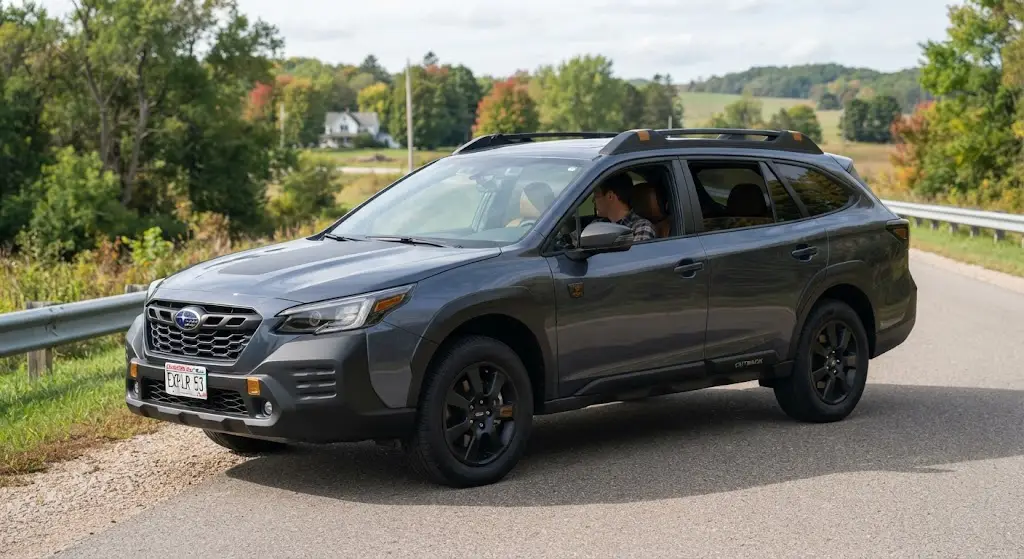
If you are considering new tint or checking whether existing film complies with Wisconsin requirements, the most important measurement is visible light transmission (VLT). This guide explains the current rules in practical terms so Wisconsin drivers can evaluate tint more carefully and avoid relying only on how dark a window looks.
What Is the Legal Tint in Wisconsin?
Wisconsin’s window tint requirements depend on the vehicle window being considered. For aftermarket film, the combined glass-and-film assembly must allow a required amount of visible light to pass through.
- Front side and vent windows: At least 50% visible light transmission.
- Rear side windows: At least 35% visible light transmission.
- Rear window: At least 35% visible light transmission when aftermarket film is used.
- Reflective tint: The permitted aftermarket tinting described by Wisconsin’s rules may not be reflective.
Wisconsin Department of Transportation guidance summarizes the front-side requirement as 50% and the rear-window requirement as 65% tint, meaning 35% visible light must pass through. The underlying administrative rules specify the applicable light-transmission requirements by window position.
Wisconsin Window Tint Percentages Explained
VLT stands for Visible Light Transmission. It describes the percentage of visible light that passes through the window and its glazing or film.
A higher VLT percentage means more visible light passes through and the window generally appears lighter. A lower VLT percentage means less visible light passes through and the window generally appears darker.
- 70% VLT: Relatively light tint.
- 50% VLT: The standard minimum for Wisconsin front side and vent windows when aftermarket film is used.
- 35% VLT: The minimum generally applicable to qualifying aftermarket tint on rear side windows and the rear window.
- 20% VLT: Much darker than Wisconsin’s standard rear-window minimum and generally below the permitted aftermarket threshold.
One important detail is that the final measurement concerns the combined glazing and film, not simply the percentage printed on a roll of tint film. Factory glass may already filter some visible light, so a film advertised as 50% does not automatically mean the completed window will measure exactly 50%.
Front Side Window Tint Rules in Wisconsin
The front side windows are subject to a stricter VLT requirement than the rear side windows.
When aftermarket tinting film is applied to the vent or front side windows, the combination of the original glazing and film must permit at least 50% of visible light to pass through. The applicable tinting film must also be non-reflective.
This means drivers should not choose front-window film simply by looking at the darkness of the sample. The final installed window is what matters.
Are Dark Rear Windows Legal in Wisconsin?
Wisconsin permits darker aftermarket tint on rear side windows and the rear window than on the front side windows. For qualifying aftermarket film, the combined window assembly must allow at least 35% of visible light to pass through.
Factory-installed tinted glazing is treated differently under the administrative rules. This distinction is important when comparing factory privacy glass with aftermarket film. A vehicle can therefore have factory glass that looks darker than an aftermarket film installation that would not meet the same standard.
Recent Wisconsin appellate court discussion has also addressed the distinction between factory-installed tinted glazing and aftermarket tint, reinforcing why vehicle owners should consider how the tint was installed rather than judging legality purely by appearance.
Wisconsin Windshield Tint Rules
The windshield has additional restrictions because anything that interferes with the driver’s clear view can create a safety and compliance issue.
Wisconsin’s rules allow limited application of tinting film to the inside of a windshield when the permitted area is outside the critical viewing area and above the horizontal line identified by the vehicle manufacturer’s marking. If the windshield does not have the required manufacturer’s marking, the administrative rule does not permit aftermarket film to be attached to the windshield.
For this reason, drivers should not assume that a full windshield tint installation is legal simply because a particular film is sold commercially.
What Is VLT and Why Does It Matter?
Visible light transmission is one of the most important concepts when researching legal tint in Wisconsin.
For example, a 70% VLT window allows substantially more visible light through than a 35% VLT window. The lower the VLT number, the darker the window generally appears.
The measurement should be considered after installation because the vehicle’s original glass and aftermarket film work together. If compliance is important, ask an installer to measure the completed window rather than relying exclusively on the film manufacturer’s advertised percentage.
Does Wisconsin Allow Reflective Window Tint?
Wisconsin’s administrative rules specify that the aftermarket tinting films permitted for the covered windows may not be reflective.
That means drivers should be careful with mirror-like, highly reflective, or metallic-looking film. A film can look attractive while still creating a compliance problem if it does not meet the applicable reflectivity requirements.
When comparing tint products, ask the installer about both VLT and reflectivity rather than considering darkness alone.
Medical Tint Exemption in Wisconsin
Wisconsin provides a specific route for darker tint on the vent and front side windows when a qualifying medical recommendation exists.
Under the administrative rule, tint may be applied to the inside of the affected glazing when recommended by a physician or Christian Science practitioner treating the vehicle owner or an immediate family member of the owner. Under this provision, the combined glazing and film must permit at least 35% visible light transmission.
The written statement must identify the patient, the medical condition supporting the recommendation, whether the condition is temporary or permanent, and the vehicle to which the recommendation applies, including the make, model, year, and VIN. The statement must be carried in the vehicle.
A medical recommendation does not mean that any level of dark tint is automatically permitted. The applicable conditions and documentation requirements still matter.
Does Factory Tint Count Differently?
Yes. Wisconsin’s rules distinguish between glazing tinted by the manufacturer as part of the original manufacturing process and tinting film applied afterward.
This is especially relevant for newer SUVs, crossovers, vans, and other vehicles that may have factory privacy glass in the rear passenger area. The fact that a vehicle came from the manufacturer with dark glass does not mean an owner can automatically reproduce that appearance using aftermarket film on every window.
If you are buying a vehicle and planning additional modifications, it is useful to understand the difference between factory equipment and aftermarket changes. Maintaining the vehicle properly is equally important, whether you need professional vehicle care or broader vehicle maintenance services.
How to Check Whether Your Tint Is Legal
If you already have window tint installed, use a practical compliance checklist rather than relying on appearance.
1. Identify the Window
Determine whether the glass is a front side window, rear side window, rear window, or windshield. Different requirements apply to different locations.
2. Check Whether the Glass Is Factory-Tinted
Find out whether the darkness comes from factory-installed glazing, aftermarket film, or both. This can affect how the Wisconsin requirements apply.
3. Ask for a VLT Measurement
A tint meter can provide a more useful indication of the finished window’s light transmission than visual inspection alone.
4. Consider the Complete Window Assembly
Do not rely solely on the number printed on the film packaging. The original glass and the film combine to produce the final result.
5. Check for Reflective Film
Make sure the film does not have a reflective or mirror-like finish that conflicts with Wisconsin’s tinting requirements.
6. Keep Medical Documentation Available When Applicable
If you are relying on the medical provision for darker front-side tint, keep the required written documentation in the vehicle.
Common Wisconsin Tint Mistakes
Several mistakes can create avoidable problems for vehicle owners.
- Choosing film by appearance alone: A dark-looking window does not reveal its exact VLT.
- Ignoring factory glass: The original glazing affects the final light transmission.
- Using the same film on every window: Front and rear windows have different requirements.
- Applying excessive windshield film: Windshield visibility rules are more restrictive.
- Assuming factory privacy glass and aftermarket film are identical: Wisconsin treats factory-installed glazing differently.
- Using reflective film: Permitted aftermarket tinting film must meet the applicable non-reflective requirement.
- Relying on an installer’s label without measuring: The completed glass-and-film combination is what matters.
Window Tint and Overall Vehicle Maintenance
Window tint is only one part of responsible vehicle ownership. Drivers should also keep up with mechanical maintenance, tires, batteries, and other vehicle systems.
For general automotive maintenance information, related resources such as car repair services, auto care services, and vehicle care solutions can provide additional context.
Drivers interested in the business side of automotive service can also explore information about auto service management careers.
Other vehicle-related resources on PostingNest include information about online tyre installation services and mobile car battery services. Although those articles focus on other markets, they provide useful examples of how modern vehicle maintenance services are delivered.
Vehicle Tint in the Context of Road Travel
Vehicle visibility and maintenance become even more important during longer road trips. Drivers should consider visibility through every window, especially when driving at night, in poor weather, or through unfamiliar areas.
For travelers planning longer journeys, resources such as travel center services can complement a broader road-trip planning approach.
Vehicle owners who use their cars or trucks for commercial transportation can also benefit from understanding how vehicle upkeep connects with wider logistics operations. PostingNest covers related topics including supply chain efficiency, logistics centers, and modern logistics solutions.
For readers interested in broader freight and delivery operations, related coverage includes global freight operations and medical courier services.
Wisconsin Legal Tint Quick Checklist
Before installing or replacing tint in Wisconsin, use this checklist:
- Identify which vehicle windows will receive film.
- Check whether the existing glass is factory tinted.
- Confirm the required VLT for each window position.
- Ask for the expected final VLT after installation.
- Have the finished windows measured when compliance is important.
- Confirm that the film is non-reflective.
- Do not assume that a dark rear factory window means equally dark aftermarket film is permitted.
- Follow Wisconsin’s specific windshield restrictions.
- If using a medical provision, carry the required written documentation.
- Check current Wisconsin rules before making a new installation because regulations can change.
Frequently Asked Questions About Legal Tint in Wisconsin
What is the legal tint percentage for front windows in Wisconsin?
For aftermarket tint on vent and front side windows, the combined glazing and film must generally allow at least 50% of visible light to pass through.
What is the legal tint for rear windows in Wisconsin?
For qualifying aftermarket tint on rear side windows and the rear window, the combined glazing and film must generally allow at least 35% of visible light to pass through.
Can I have 20% tint in Wisconsin?
A 20% VLT aftermarket installation is below the standard 35% minimum that applies to covered rear side and rear windows, and it is also below the 50% minimum applicable to front side and vent windows. The exact legal analysis can depend on whether the glass is factory-installed glazing or aftermarket film.
Is reflective window tint legal in Wisconsin?
The Wisconsin administrative rules specify that the permitted aftermarket tinting films covered by the relevant provisions may not be reflective.
Can I tint my windshield in Wisconsin?
Only limited windshield treatment is permitted under Wisconsin’s rules. The placement is restricted to the appropriate upper area outside the critical viewing area and depends on the manufacturer’s windshield marking.
Does Wisconsin have a medical tint exemption?
Yes. Wisconsin’s administrative rules provide a medical provision for certain darker tint on vent and front side windows when the required recommendation and documentation conditions are satisfied. The provision does not mean unrestricted tint is automatically allowed.
Should I measure my tint after installation?
Yes. Because the final VLT can depend on both factory glazing and aftermarket film, measuring the completed window is more informative than relying solely on the film’s advertised percentage.
Final Thoughts
Understanding legal tint in Wisconsin starts with knowing the difference between front and rear windows, understanding VLT, and recognizing that factory glass and aftermarket film are treated differently.
For most aftermarket installations, the key figures are 50% VLT for front side and vent windows and 35% VLT for rear side windows and the rear window. Windshield applications have separate restrictions, and permitted aftermarket tinting films must not be reflective.
The safest approach is to evaluate the complete glass-and-film combination, measure the finished windows when necessary, and verify the current Wisconsin requirements before installation. Proper vehicle maintenance, responsible driving visibility, and compliance should all be considered together.
For more practical guides across automotive, travel, logistics, and other topics, visit the PostingNest homepage.