







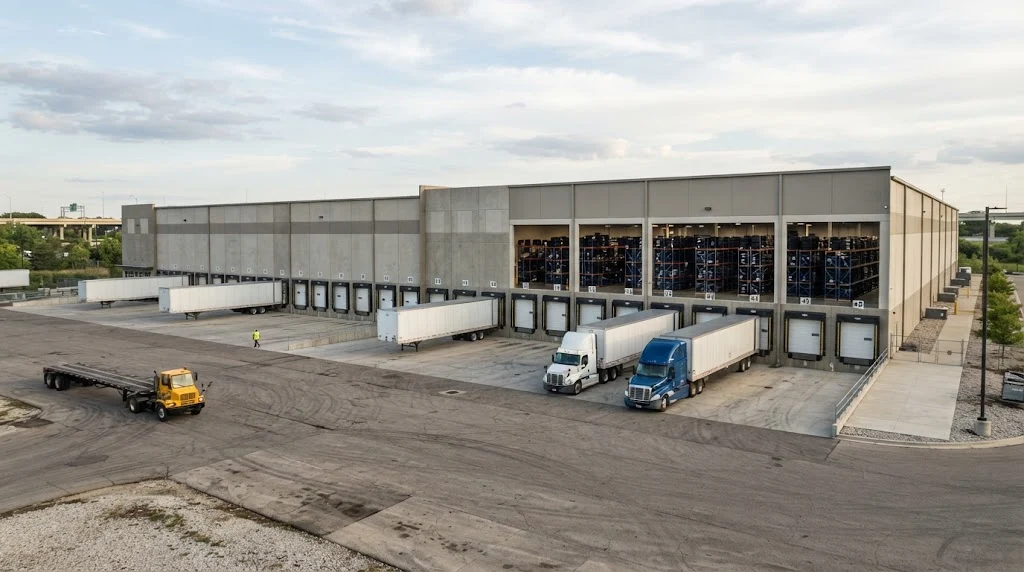
REV Logistics is associated with third-party warehousing, freight handling, and transportation services for the automotive and tire industries. Its connection with Hankook illustrates how specialized logistics providers can support manufacturers that need to move large quantities of products through complex distribution networks.
This guide explores the REV Logistics Hankook location, its relationship with Hankook Tire, the logistics services associated with the operation, and the practical considerations involved in tire distribution.
What Is REV Logistics Hankook?
REV Logistics Hankook refers to the logistics operation associated with REV Logistics and Hankook Tire at 25850 South Ridgeland Avenue in Monee, Illinois.
REV Logistics is identified in logistics directories as a provider of third-party warehousing and transportation-related services for the automotive, tire, and general transportation industries. Public import records also connect the company with shipments involving Hankook Tire America.
The operation illustrates the role of a third-party logistics provider, commonly known as a 3PL, in supporting a manufacturer’s distribution activities.
Rather than requiring a manufacturer to coordinate every transportation and warehouse activity independently, a 3PL can provide specialized infrastructure and operational support.
Readers interested in how different logistics facilities support industrial supply chains can also explore the Arcadia Logistics Center and its role in supply chain operations.
Where Is REV Logistics Hankook Located?
The publicly listed REV Logistics Hankook facility is located in Monee, Illinois, within the greater Chicago industrial and distribution region.
- Business name: REV Logistics / Hankook
- Street address: 25850 South Ridgeland Avenue
- City: Monee
- State: Illinois
- ZIP code: 60449
- Country: United States
The Monee location benefits from its position within an established industrial transportation corridor. The surrounding region provides access to interstate highways and the broader Chicago-area freight network.
For tire distribution, location matters because imported products may need to move between ports, warehouses, trucking networks, and regional customers.
Why the Chicago Region Matters for Distribution
Chicago is an important transportation and distribution market because it connects several major freight corridors.
For a warehouse serving automotive and tire markets, access to regional transportation infrastructure can help support:
- Inbound freight movement from ports and intermodal terminals.
- Transportation between warehouses and distribution centers.
- Regional deliveries to wholesalers and commercial customers.
- Coordination between long-distance and local freight carriers.
- Inventory movement across multiple geographic markets.
These advantages are not unique to REV Logistics. They demonstrate why manufacturers and logistics companies frequently consider transportation access when selecting distribution locations.
Understanding the Relationship Between REV Logistics and Hankook Tire
Hankook Tire is an international tire manufacturer serving passenger vehicle, commercial vehicle, and other automotive markets.
Its supply chain involves manufacturing, international transportation, warehousing, and domestic distribution.
Public U.S. import records identify REV Logistics as a notify party on shipments associated with Hankook Tire entities. A notify party is an organization designated to receive shipment-related notifications.
These records establish a documented logistics connection between the companies. However, an individual shipping record does not establish every responsibility performed by a logistics provider or the complete contractual relationship between the parties.
How the Tire Distribution Process Works
A typical international tire distribution process involves several stages:
- Manufacturing: Tires are produced at manufacturing facilities.
- Export preparation: Products are prepared and documented for international shipment.
- International transportation: Cargo moves through ocean freight or other appropriate transportation networks.
- Port processing: Shipments undergo the necessary import and cargo-handling procedures.
- Domestic transportation: Freight moves toward warehouses or distribution facilities.
- Warehouse handling: Products are received, organized, and prepared for subsequent distribution.
- Outbound distribution: Inventory moves toward distributors, retailers, or other customers.
Different organizations may handle individual stages of this process. The precise responsibilities depend on the transportation agreements and operational arrangements involved.
For a related perspective on international freight coordination, see our article on Aertssen Logistics and global supply chain operations.
Logistics Services Associated With REV Logistics
Public logistics directory information associates REV Logistics with third-party logistics, warehousing, transloading, drayage, and less-than-truckload freight services.
These services address different parts of the supply chain and can be combined according to a customer’s transportation requirements.
1. Third-Party Warehousing
Third-party warehousing allows businesses to use external storage and handling infrastructure rather than operating every warehouse independently.
For tire distribution, warehousing may involve receiving inbound products, organizing inventory, preparing outbound shipments, and coordinating freight appointments.
Effective warehouse operations depend on accurate inventory records and clearly defined handling procedures.
Common warehouse management activities include:
- Receiving and documenting incoming shipments.
- Checking products against shipment records.
- Assigning appropriate storage locations.
- Maintaining inventory visibility.
- Preparing products for outbound transportation.
- Coordinating loading and dispatch activities.
The exact services performed at a particular facility should be confirmed with its operator.
2. Transloading
Transloading involves transferring cargo between transportation equipment or modes.
For example, imported freight may arrive in an ocean container and subsequently be transferred into equipment suitable for domestic distribution.
Transloading can help businesses connect international freight with domestic transportation networks.
Its effectiveness depends on cargo characteristics, equipment availability, handling requirements, and transportation schedules.
3. Drayage Services
Drayage generally refers to the short-distance movement of freight, particularly containers traveling between ports, rail terminals, and nearby logistics facilities.
Although these movements may cover shorter distances than long-haul transportation, they remain important to overall supply chain performance.
Delays in container collection or delivery can affect warehouse schedules and downstream freight movements.
4. Less-Than-Truckload Freight
Less-than-truckload, or LTL, transportation allows shipments that do not require an entire trailer to move through a shared freight network.
This approach can be useful for businesses shipping smaller quantities of products to different destinations.
However, LTL suitability depends on shipment size, handling requirements, delivery expectations, and freight classification.
Businesses comparing transportation approaches may also find useful context in our guide to C&S Logistics and coordinated supply chain solutions.
How REV Logistics Hankook Relates to Supply Chain Efficiency
Supply chain efficiency depends on how effectively products move between manufacturing, transportation, storage, and delivery.
For tire distribution, the objective is not simply to move products quickly. Businesses must also maintain inventory accuracy, protect products during handling, and coordinate transportation schedules.
Inventory Visibility
Accurate inventory information helps warehouse operators understand what products are available, where they are stored, and which shipments are ready for dispatch.
Without reliable inventory records, businesses may encounter picking errors, unnecessary handling, or shipment delays.
Inventory visibility can also support purchasing and replenishment decisions.
Warehouse Organization
Warehouse layout influences how efficiently employees and equipment can move products.
Tire warehouses may need to accommodate products of different sizes, specifications, and handling requirements.
Organized storage locations and clearly defined movement routes can reduce unnecessary handling and support safer operations.
Transportation Coordination
Inbound and outbound freight activities need to be coordinated with available warehouse capacity.
For example, an inbound shipment arriving before the receiving area is available may create congestion or require additional scheduling adjustments.
Similarly, outbound transportation depends on products being prepared and available when carriers arrive.
Shipment Documentation
Freight documentation helps identify shipment contents, destinations, transportation arrangements, and receiving requirements.
Accurate documentation becomes particularly important when products move between international and domestic transportation networks.
Clear records can help logistics teams identify discrepancies and resolve shipment-related questions.
The Role of Technology in Modern Logistics
Technology supports logistics operations by improving the availability and organization of information.
Warehouse management systems, transportation management platforms, barcode identification, and electronic documentation can help organizations coordinate different stages of distribution.
These technologies are common across the logistics industry. Their inclusion here illustrates general operational practices rather than claiming that REV Logistics uses any particular proprietary system.
Warehouse Management Systems
A warehouse management system, or WMS, helps businesses organize inventory-related activities.
Depending on the system and implementation, capabilities may include:
- Inventory location tracking.
- Receiving and putaway management.
- Order preparation.
- Shipment verification.
- Inventory reporting.
Transportation Management Systems
A transportation management system, or TMS, can support freight planning, carrier coordination, shipment tracking, and transportation reporting.
Such systems are particularly useful when shipments involve multiple carriers, facilities, or delivery destinations.
Electronic Data Interchange
Electronic Data Interchange, commonly called EDI, allows organizations to exchange structured business documents electronically.
In logistics, EDI can support communication involving purchase orders, shipment notifications, invoices, and related operational information.
For additional reading about technology-driven business operations, explore how digital platforms improve operational speed.
Challenges in Automotive and Tire Logistics
Automotive supply chains involve several operational challenges that can affect manufacturers, logistics providers, and distributors.
Fluctuating Inventory Requirements
Demand for particular tire sizes and specifications may vary according to vehicle types, seasonal purchasing patterns, and market conditions.
Warehouses need appropriate inventory information to accommodate changing product requirements.
International Transportation Delays
Imported products may be affected by port congestion, shipping schedule changes, customs procedures, or transportation disruptions.
Businesses can reduce operational uncertainty by maintaining visibility across the different stages of their supply chains.
Handling and Storage Requirements
Tires require appropriate handling and storage practices to help protect product condition.
Warehouse operators must consider manufacturer guidance, equipment suitability, and workplace safety requirements.
Coordinating Multiple Freight Providers
International distribution may involve ocean carriers, drayage providers, warehouse operators, and domestic trucking companies.
Each additional handoff introduces a need for accurate information and clear operational responsibilities.
Our article on Kerriedaway Logistics and global freight coordination provides further context on the broader transportation sector.
How Businesses Can Evaluate a Logistics Provider
Businesses researching REV Logistics Hankook or comparing third-party logistics providers should evaluate services according to their actual operational requirements.
A suitable provider for one organization may not offer the same advantages for another.
Industry Experience
Logistics requirements vary between industries.
Automotive products, medical supplies, consumer goods, and industrial equipment can have different handling, storage, and transportation requirements.
Businesses should determine whether a provider has experience with the products and distribution processes relevant to their operations.
Warehouse Capabilities
Warehouse evaluation may include storage capacity, loading infrastructure, equipment, inventory processes, and handling restrictions.
Published facility specifications should be verified directly before making operational commitments.
Transportation Coverage
Transportation capabilities should match the geographic areas and shipment types a business needs to serve.
Questions may include whether the provider supports local transportation, regional distribution, long-haul freight, or coordination with other carriers.
Operational Communication
Clear communication helps businesses understand shipment status, receiving requirements, and potential disruptions.
When evaluating a provider, businesses can ask how operational updates are communicated and how exceptions are handled.
Cost Transparency
Warehousing and freight arrangements can involve multiple charges.
Businesses should understand applicable storage, handling, transportation, and additional service fees before entering an agreement.
The lowest quoted price does not necessarily represent the lowest total logistics cost.
What Truck Drivers Should Know About REV Logistics Hankook
Truck drivers visiting the Monee facility should confirm current receiving and shipping procedures with the relevant dispatcher or facility contact.
Publicly available customer reviews mention appointment-based loading and unloading activities. However, individual experiences do not establish a permanent facility-wide operating policy.
Before arriving, drivers should verify:
- The correct facility address.
- The scheduled pickup or delivery appointment.
- Required shipment and identification documents.
- Any applicable check-in instructions.
- Trailer and equipment requirements.
- Current receiving or shipping hours.
Appointment procedures and operational schedules may change. Drivers should rely on current instructions supplied by the facility or their transportation coordinator.
REV Logistics Hankook and the Wider Logistics Industry
The REV Logistics Hankook relationship demonstrates how third-party logistics providers can participate in the distribution networks of international manufacturers.
Manufacturing and distribution are connected but distinct activities.
A manufacturer focuses on producing products, while logistics providers may support storage, transportation, inventory handling, and distribution.
These functions become particularly important when products cross international borders and pass through multiple transportation networks.
Readers exploring other examples of specialized distribution can also review Capstone Logistics and medical courier distribution. Although medical courier services involve different handling requirements from tire distribution, both topics illustrate how logistics operations must adapt to the products being transported.
For broader business, technology, and industry coverage, visit PostingNest.
Frequently Asked Questions About REV Logistics Hankook
What is REV Logistics Hankook?
REV Logistics Hankook is a name associated with the REV Logistics facility in Monee, Illinois, and its logistics relationship with Hankook Tire. Public trade records connect REV Logistics with shipments involving Hankook Tire entities.
Where is REV Logistics Hankook located?
The publicly listed location is 25850 South Ridgeland Avenue, Monee, Illinois 60449, United States.
Does REV Logistics manufacture Hankook tires?
REV Logistics is identified as a logistics and warehousing provider, not as the manufacturer of Hankook tires. Hankook Tire operates the manufacturing business, while logistics providers support transportation and distribution activities.
What services are associated with REV Logistics?
Public logistics directory information associates REV Logistics with third-party warehousing, transloading, drayage, and LTL freight services. The availability of specific services at a particular facility should be confirmed directly.
Why is the Monee location important?
Monee is situated within the greater Chicago industrial and transportation region. Its location provides access to an established freight network that can support warehousing and regional distribution.
Does REV Logistics Hankook require delivery appointments?
Some publicly available reviews describe appointment-based receiving and loading procedures. Drivers should confirm current requirements directly with their dispatcher or facility contact before arriving.
What is the difference between REV Logistics and Hankook Tire?
Hankook Tire is a tire manufacturer. REV Logistics is associated with warehousing and transportation services. Their documented connection concerns logistics activities involving Hankook products.
How can third-party logistics improve supply chain efficiency?
Third-party logistics providers can help businesses coordinate warehousing, inventory handling, transportation, and distribution. The operational benefits depend on the provider’s capabilities, the customer’s requirements, and how effectively the services are implemented.
Conclusion
REV Logistics Hankook provides a useful example of the relationship between international manufacturing and domestic logistics operations.
The Monee, Illinois facility is publicly associated with REV Logistics and Hankook Tire, while shipping records establish a documented connection with Hankook-related international freight.
Understanding this relationship helps explain the importance of warehousing, freight coordination, inventory management, and transportation infrastructure in automotive distribution.
For businesses evaluating logistics arrangements, the central consideration is how well a provider’s capabilities align with actual shipment requirements, inventory needs, and distribution objectives.
As international supply chains continue to involve multiple transportation and storage stages, effective coordination between manufacturers, logistics providers, and freight carriers remains essential to reliable product distribution.