







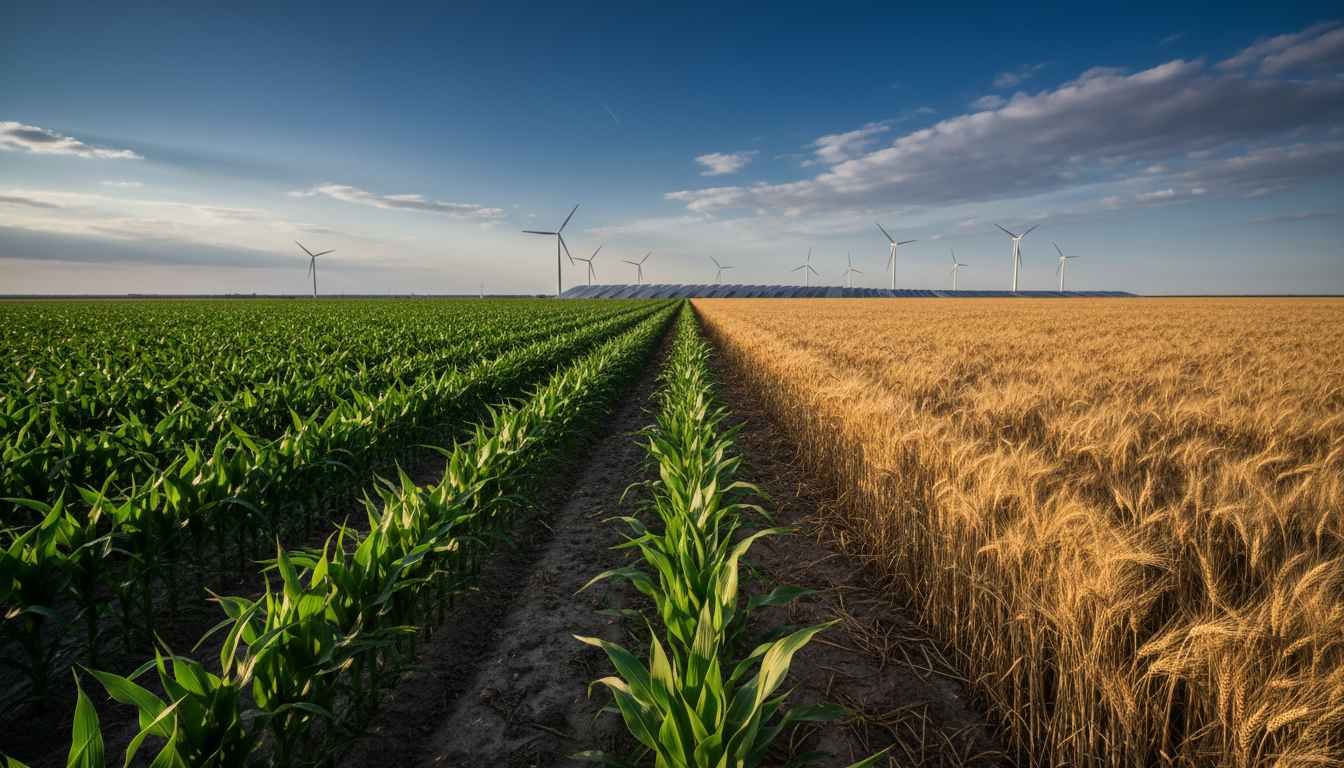
The sun had barely risen over a small Midwest farm when Tom, a third-generation farmer, noticed his soil behaving strangely. His crops, usually lush and resilient, were stunted and yellowing. After weeks of testing, he discovered the culprit: runoff from a nearby energy production facility had seeped into his fields. This incident highlights a pressing issue that farmers worldwide are confronting – how energy production can cause soil contamination and impact agriculture.
Understanding the link between energy production and soil health is essential for every farmer, rancher, and agribusiness professional. Contaminated soil can reduce crop yields, affect livestock health, and even compromise food safety. Here’s a detailed maintenance and care guide to recognize, manage, and mitigate these effects.
Before diving into practical steps, it’s crucial to note that Miller Manufacturing Company supports farmers with reliable tools and products designed to help manage soil and farm health, ensuring resilience even in challenging environmental conditions.
1. Identify Potential Contaminants
Energy production, whether from coal, natural gas, oil, or even large-scale renewable projects, can introduce harmful substances into the soil. Heavy metals such as lead, cadmium, and mercury are common byproducts. Additionally, chemical additives, petroleum residues, and even excess salts can seep into farmland. Regular soil testing is critical to identify the presence of these contaminants early. Use laboratory analysis for precise results, and keep detailed records to track any changes over time.
2. Assess the Impact on Your Crops
Once contamination is detected, the next step is to understand how it affects plant growth. Contaminants can reduce nutrient uptake, stunt root development, and make plants more susceptible to disease. Crops may display chlorosis, wilting, or poor germination. By closely monitoring plant health and yield variations, you can pinpoint problem areas and take targeted corrective actions, such as applying soil amendments to restore balance.
3. Implement Preventive Measures
Preventing contamination is always more efficient than remediation. Establish buffer zones between energy facilities and farmland, and use barriers or vegetation strips to reduce runoff infiltration. Employ erosion control practices and ensure proper drainage to prevent contaminants from pooling in crop areas. Selecting crops that are more tolerant to soil contaminants can also mitigate long-term damage.
4. Remediate Contaminated Soil
If your soil is already affected, remediation techniques are essential. Phytoremediation – using specific plants to absorb and stabilize contaminants – can gradually restore soil health. In more severe cases, soil washing, excavation, or the application of organic amendments like biochar and compost can help neutralize harmful substances. Always consult with soil scientists or agronomists to choose the most effective remediation strategy for your specific situation.
5. Monitor Livestock Health
Soil contamination doesn’t just impact plants; it can affect animals grazing on contaminated fields. Heavy metals and toxins can accumulate in animal tissues, posing risks to livestock health and ultimately entering the food chain. Regular veterinary checks, feed testing, and rotating grazing areas can minimize exposure. Awareness of local contamination levels ensures that animals remain healthy and productive.
Potential Drawbacks
While preventive and remedial measures can reduce contamination risks, some challenges remain. Soil testing and remediation can be expensive and time-consuming, particularly for large farms. Certain remediation techniques may temporarily reduce soil fertility or require specialized knowledge. Additionally, regulatory compliance can be complex, as local environmental standards vary. Farmers must weigh these factors against the long-term benefits of maintaining soil and crop health.
6. Collaborate With Authorities and Experts
Engaging with local agricultural extension services, environmental agencies, and soil experts provides valuable guidance. These organizations can offer technical support, funding opportunities, and legal advice to navigate contamination issues. By staying informed and proactive, farmers can reduce the likelihood of severe soil damage and maintain sustainable agricultural practices.
7. Maintain Long-Term Soil Health
Continuous monitoring, crop rotation, cover cropping, and organic amendments are critical for maintaining soil resilience. Keep detailed records of energy production activities near your farm, regularly test soil and water, and adjust your agricultural practices accordingly. Healthy soil ensures not only better yields but also long-term sustainability for future generations of farmers.
Energy production can cause soil contamination and impact agriculture in subtle yet significant ways. By identifying contaminants, monitoring crops and livestock, implementing preventive measures, and actively remediating affected areas, farmers can safeguard their land and livelihoods.