





Sellers often focus on price and timing, but buyers decide with their eyes first. If you want to prepare your home for sale in a way that earns strong offers, the work happens before the listing photos: small repairs, honest decluttering and rooms that feel calm, bright and easy to imagine living in. None of this needs a renovation budget — it needs a plan and a free weekend or two.
Use this room-by-room checklist to work through your home the way a buyer will walk through it.
Start Outside: Curb Appeal Sets the Price of Admission
Buyers form an opinion before they reach the front door. Mow and edge the lawn, clear weeds from beds and paths, and sweep the porch. Wash the front door or give it a fresh coat of paint, check that the doorbell and porch light work, and make sure house numbers are clean and visible. A new doormat and a couple of healthy potted plants cost little and signal a cared-for home.
Driveway stains, overflowing bins and a sagging fence all whisper “deferred maintenance.” Spend an hour removing those whispers. In competitive markets — the kind explored in our Whitingham VT real estate guide — the homes that photograph best are usually the ones that sell first.
Fix the Small Repairs Buyers Always Notice
You do not need to remodel, but you do need to remove objections. Walk each room with a notepad and list the minor faults: dripping faucets, loose handles, cracked switch plates, squeaky doors, blown bulbs, scuffed paint, a toilet that runs. Most of these are cheap, fast fixes, yet each one left undone makes buyers wonder what else has been neglected.
Check ceilings for old water stains and disclose honestly if asked — but paint over cosmetic marks once any underlying issue is resolved. Test every light switch, fan and window latch. Buyers open things; everything that opens should open smoothly.
Declutter and Depersonalize Every Room
This is the highest-return step in learning how to prepare your home for sale. Rent a small storage unit or borrow a garage corner, and remove at least a third of what is visible: excess furniture, family photo walls, collections, countertop appliances and overflowing closets. Buyers are not judging your taste — they are trying to picture their own life in the space, and your belongings block that picture.
Closets deserve special attention. A half-empty closet looks generous; a stuffed one looks like the home lacks storage. The same goes for kitchen counters: keep only one or two items out, and let the workspace sell itself. Sellers relocating to a fresh start — for example the moves described in our Contoocook NH property guide — often say the decluttering they did to sell made the eventual move twice as easy.
Room by Room: Where to Spend Your Effort
Kitchen
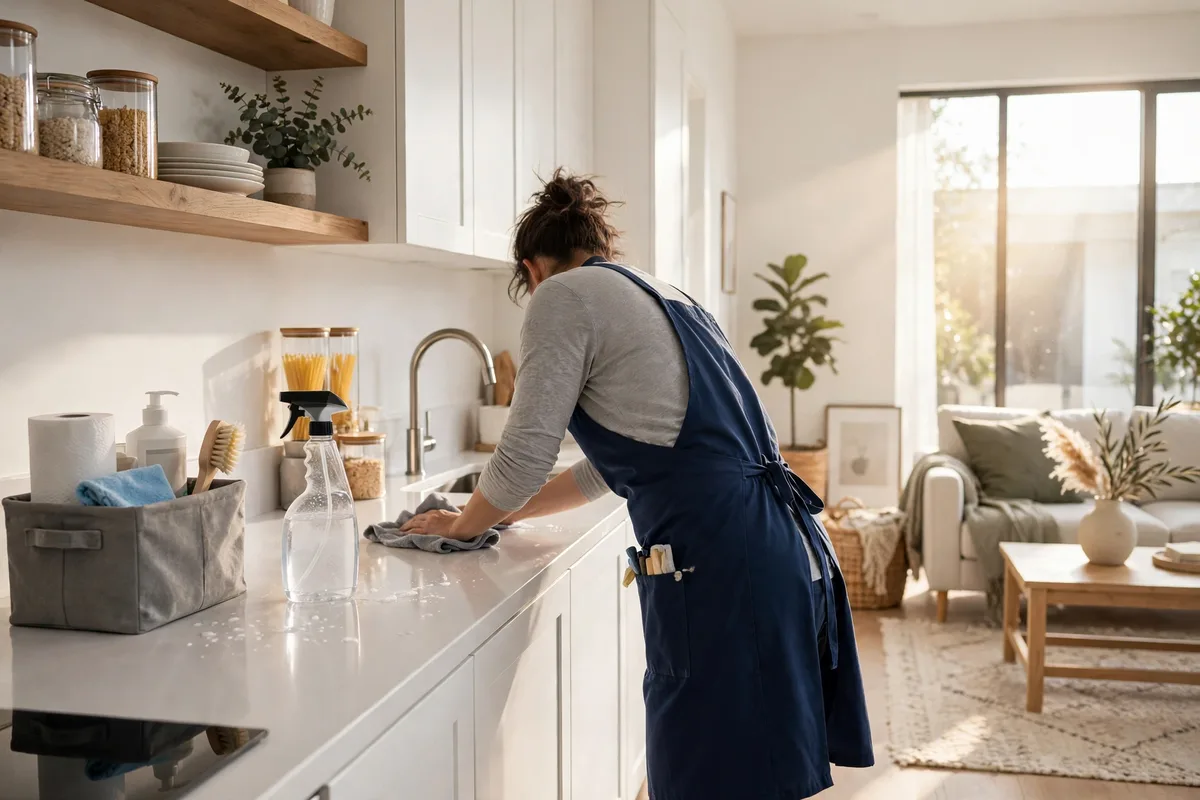
Deep-clean appliances inside and out, degrease the range hood, and polish faucets and cabinet hardware. If cabinets look tired, paint and new handles transform them for a fraction of replacement cost. Clear the fridge door of magnets and notes.
Bathrooms
Regrout or reseal where needed, scrub tile until it shines, and replace a worn toilet seat. Fresh white towels, a new shower curtain and an uncluttered counter make even a small bathroom feel hotel-clean.
Living Areas
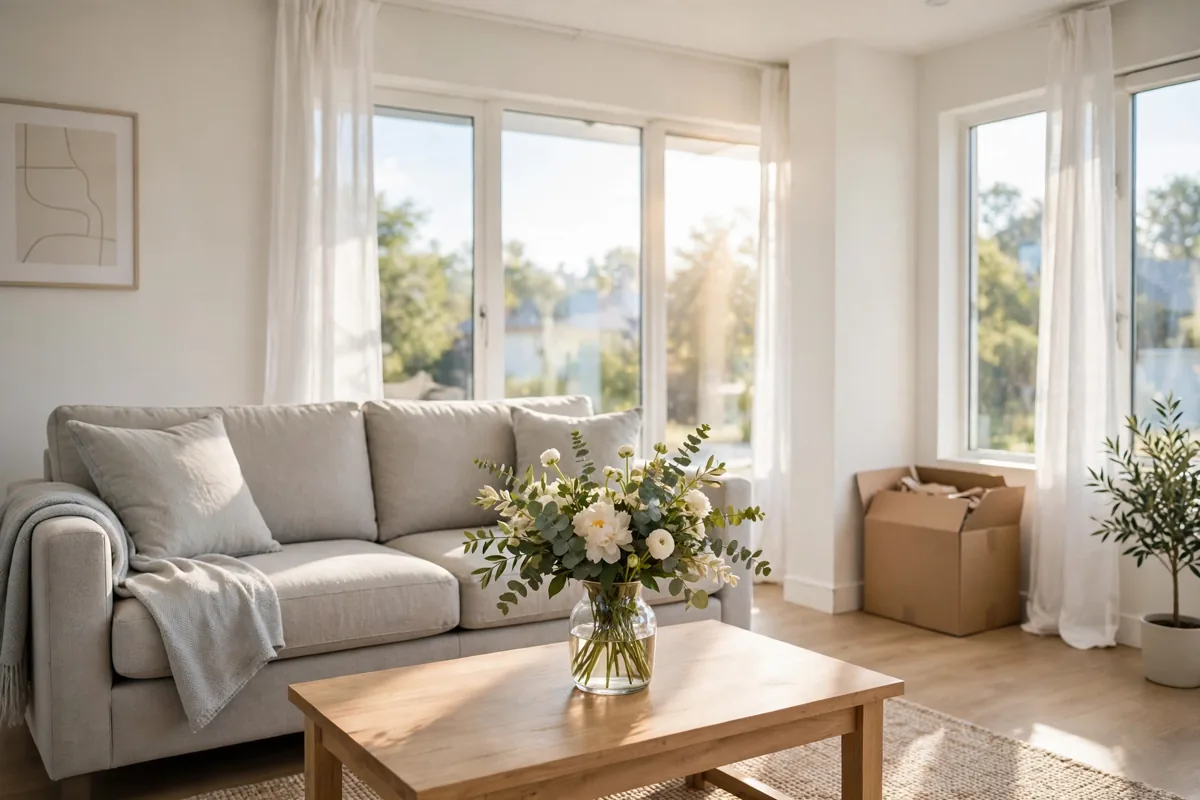
Arrange furniture for conversation and flow, not for television alone. Open curtains wide for viewings, and remove heavy drapes that darken rooms. If you are downsizing toward a simpler property — something like the homes in our Hacienda Iguana real estate overview — this staging mindset helps you decide what furniture truly deserves to come with you.
Bedrooms
Make beds with neutral, layered bedding. Keep nightstands nearly bare. A bedroom should read as restful within three seconds of the door opening.
Deep Clean Like You Mean It
After repairs and decluttering, clean everything: windows inside and out, skirting boards, light fittings, inside cupboards and behind appliances. Shampoo carpets or hire a machine for a day; hard floors should be washed, not just swept. Odors matter more than sellers expect — pets, cooking and damp are the usual culprits. Air the home thoroughly, wash soft furnishings, and avoid heavy air fresheners, which buyers read as camouflage.
What Not to Spend Money On
Just as important is knowing where to stop. Full kitchen or bathroom remodels rarely return their cost right before a sale, and they delay your listing by weeks. Skip new flooring throughout the house, expensive landscaping projects and smart-home gadgets buyers did not ask for. Your agent can tell you which upgrades your local market actually rewards; in most neighborhoods, cleanliness, light and a sense of space outperform luxury finishes. Save the renovation money for your next home, where you will be the one enjoying it.
One exception is paint. A fresh coat in a warm, neutral color is the cheapest transformation available — it covers scuffs, brightens rooms and makes the whole home smell new. If you only fund one project before listing, make it that one.
Photos and Viewing Day
Nearly every buyer’s first viewing is your listing photos, so prepare for the camera before the photographer arrives. Turn on all lights, open blinds, put toilet lids down, hide cords, bins and pet gear, and park cars off the driveway. Island and coastal listings, like those in our Aore Island real estate guide, show how much bright, uncluttered photography does for a property’s first impression.
On viewing day, repeat the routine: lights on, beds made, a subtle pleasant scent, and then leave. Buyers speak freely — and linger longer — when the seller is out. If an investor buyer is likely for your area, the perspective in our look at real estate investment opportunities is a useful reminder that clean, well-documented homes also command confidence from that side of the market.
Prepare your home for sale with these steps in order — outside, repairs, declutter, room-by-room, deep clean, photos — and you will list a home that feels cared for from the first thumbnail to the final walkthrough.