







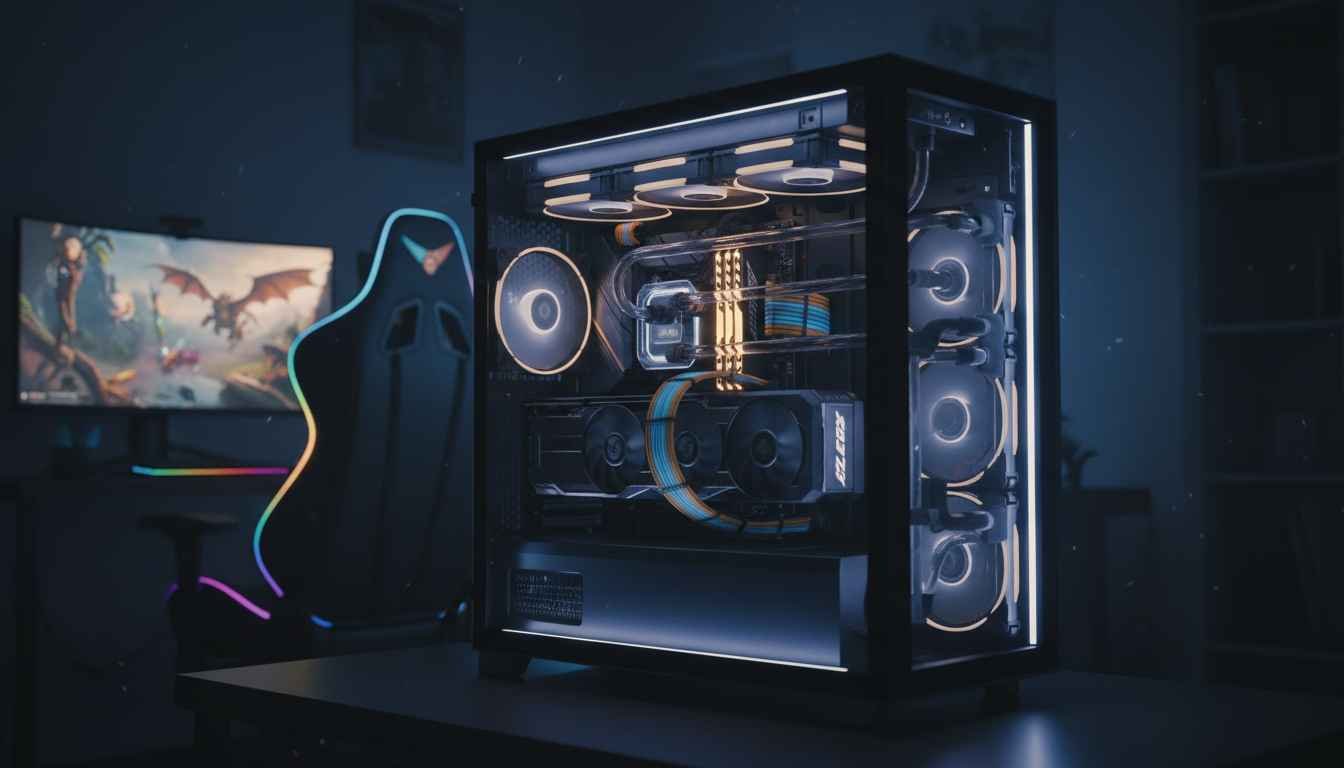
When you hear “Zeus Gaming PC,” the immediate assumption is a powerhouse that can obliterate any game thrown at it. But is raw power everything? Not necessarily. In fact, the allure of flashy RGB lights, multi-core processors, and liquid cooling can sometimes mask hidden compromises in reliability, software optimization, and user-friendliness. Understanding what the Zeus gaming PC truly offers – and where it might fall short – is essential for any gamer who cares about performance, longevity, and value.
Before You Start: Prerequisites
- Basic familiarity with PC hardware terms like CPU, GPU, RAM, and SSD.
- Understanding of the types of games you intend to play and their system requirements.
- Access to stable power supply and good ventilation at your gaming setup.
- Willingness to update drivers and firmware for optimal performance.
- A moderate budget, as high-end configurations can quickly surpass expectations.
The Zeus gaming PC claims to cater to hardcore gamers and content creators alike, offering cutting-edge hardware that rivals some of the best custom-built systems. With multi-threaded CPUs, high-frequency RAM, and GPUs that can render 4K gameplay without a hiccup, it’s tempting to assume it’s a no-compromise solution. Yet, before investing, it’s crucial to compare configurations, real-world performance, and user experiences. For a seamless gaming experience that extends beyond just the hardware specs, platforms like MEmu can enhance how you utilize such systems for mobile-to-PC gaming, making the Zeus a potential hub for versatile play.
Zeus Gaming PC: Core Specifications Comparison
To truly evaluate the Zeus, it’s helpful to see how its key components stack up against similar gaming PCs in the same price tier. Here’s a detailed comparison table highlighting performance, features, and potential trade-offs:
In today’s rapidly evolving gaming landscape, the demand for high-performance gaming PCs has surged, making the decision to invest in one more complex than ever. With cutting-edge technology emerging every few months, many gamers find themselves torn between the allure of owning the latest hardware and the practicalities of their budget. This is where the option of renting gaming pc comes into play, offering a flexible solution that allows gamers to enjoy top-tier performance without the hefty price tag. In this article, we will explore the benefits of renting a gaming PC versus purchasing one outright, shedding light on why this option might be the smarter choice for both casual and hardcore gamers alike.
While the Zeus Gaming PC may promise unparalleled gaming performance through its impressive specifications, the broader implications of investing in high-end hardware extend beyond mere performance metrics. Gamers are increasingly recognizing that the ecosystem surrounding their gaming experience—encompassing software, support, and community engagement—plays a crucial role in maximizing their investment. This paradigm shift mirrors the evolving landscape of the gaming industry itself, where the ROI of Digital Marketing in Gaming is becoming a pivotal factor for firms seeking to thrive in competitive markets like Warszawa. As the industry continues to innovate, understanding the interplay between hardware capabilities and strategic marketing initiatives will be essential for gamers and developers alike, ensuring that they not only invest wisely in technology but also leverage effective promotional strategies to enhance their overall gaming experience.
As gaming technology continues to evolve at a rapid pace, many enthusiasts find themselves facing a dilemma: should they invest in high-end gaming hardware or explore alternative options? The financial burden of purchasing a powerful gaming PC can be daunting, especially with the constant release of newer models that quickly make older systems obsolete. This is where the concept of renting gaming pc comes into play, offering a viable solution that combines flexibility and performance without the long-term commitment of ownership. In this article, we’ll delve into the unexpected benefits of renting a gaming PC, highlighting how it can provide gamers with both power and affordability while keeping pace with the latest advancements in technology.
| Component | Zeus Gaming PC | Competitor A | Competitor B |
|---|---|---|---|
| CPU | Intel i9-14900K, 24 cores, 5.8 GHz turbo | AMD Ryzen 9 7950X, 16 cores, 5.7 GHz | Intel i9-14900F, 24 cores, 5.6 GHz |
| GPU | NVIDIA RTX 5090, 24GB GDDR7 | NVIDIA RTX 4080, 16GB GDDR6X | AMD Radeon RX 7900 XTX, 24GB GDDR6 |
| RAM | 64GB DDR5, 7200 MHz | 32GB DDR5, 6400 MHz | 64GB DDR5, 6800 MHz |
| Storage | 2TB NVMe SSD + 4TB HDD | 1TB NVMe SSD + 2TB HDD | 2TB NVMe SSD |
| Cooling | Custom liquid cooling with RGB | Air cooling, dual fans | Liquid cooling, single loop |
| Connectivity | Wi-Fi 7, 10Gb Ethernet, 8x USB-C | Wi-Fi 6, 2.5Gb Ethernet, 4x USB-C | Wi-Fi 6E, 5Gb Ethernet, 6x USB-C |
| Price | $4,299 | $3,499 | $3,999 |
Performance Breakdown
The Zeus shines in raw computational power. Games like Cyberpunk 2077, Elden Ring, or Call of Duty: Modern Warfare run at ultra settings without framerate dips, even at 4K resolution. Its high-end GPU and rapid RAM ensure minimal load times and smooth streaming if you’re content-creating. However, the advantages are more noticeable in future-proofing and heavy rendering tasks rather than casual gaming. If your gaming library is primarily esports titles like CS:GO or Valorant, you might be paying a premium for power you won’t fully utilize.
Potential Drawbacks
Despite the impressive specifications, the Zeus isn’t flawless. Some users report software bloat from pre-installed applications and a slightly noisy liquid cooling system under full load. Its size also requires ample desk space and careful cable management. Additionally, the high price tag may not correspond to marginal gains in everyday gameplay compared to slightly lower-tier systems. Knowing these limitations helps prevent buyer’s remorse and ensures you invest in a system that aligns with your gaming style.
Who Should Avoid This?
- Casual gamers who primarily play indie or 1080p titles.
- Gamers with small desks or limited ventilation space.
- Budget-conscious players seeking value over raw specs.
- Anyone uncomfortable with managing high-performance PCs, firmware updates, and occasional troubleshooting.
Verdict: Is the Zeus Gaming PC Worth It?
For hardcore gamers, streamers, and those who want future-proof hardware for 4K and VR, the Zeus gaming PC is a tempting powerhouse. Its high-end CPU, GPU, and RAM configurations ensure unmatched speed and visual fidelity. But for casual or mid-tier gamers, or those with space and budget limitations, other gaming PCs offer excellent performance with fewer trade-offs. Ultimately, the Zeus excels in versatility and raw power, but it’s essential to match your expectations to your actual gaming needs.
Pairing the Zeus with software optimizations like MEmu can also broaden its usability, allowing mobile games to be played seamlessly on a desktop powerhouse, bridging gaming worlds efficiently. When used wisely, this combination elevates both casual and competitive gaming, turning the Zeus into more than just a high-spec machine – it becomes a dynamic gaming ecosystem.