





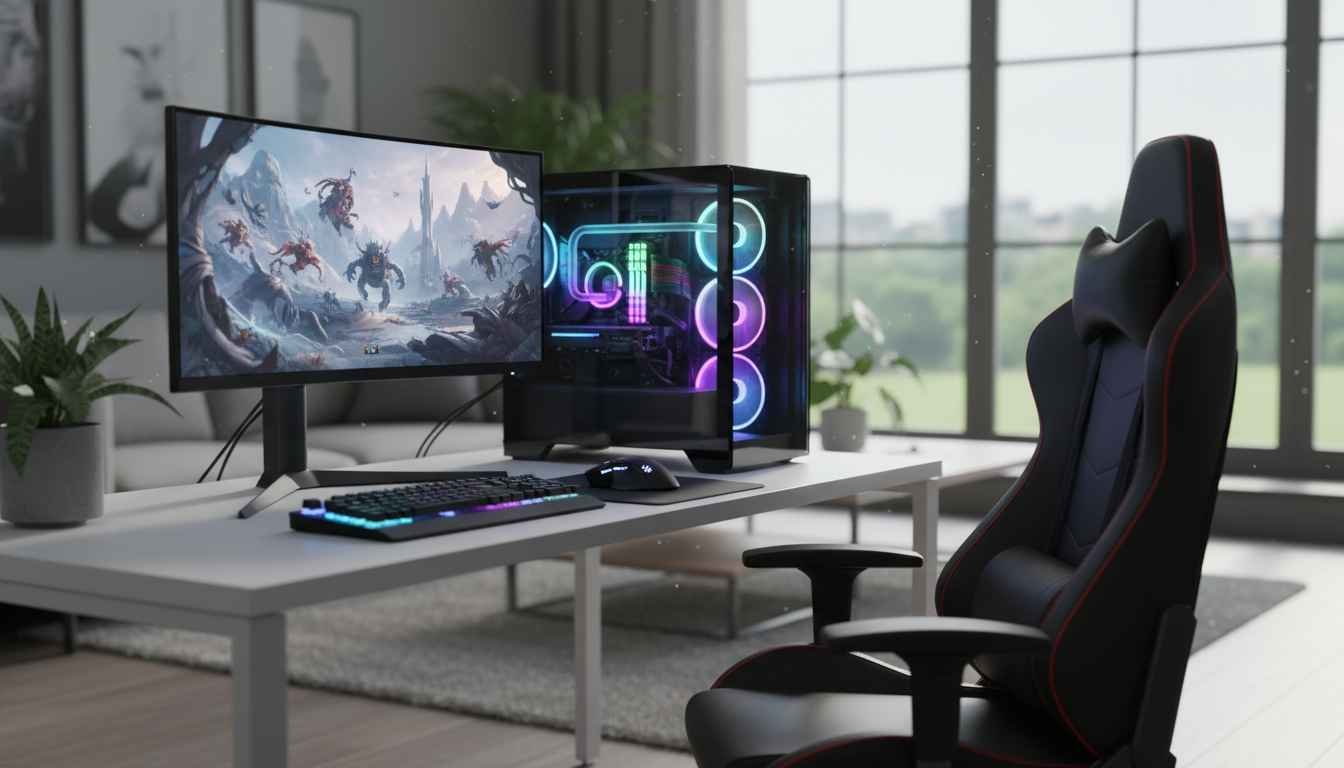
It sounds contradictory: spending money to rent a gaming PC instead of owning one could save you thousands. But when you dig deeper, the economics and flexibility of renting become strikingly clear. High-end gaming PCs depreciate rapidly, often losing value faster than you can enjoy the latest graphics cards. Meanwhile, renting gives access to the newest hardware, without the burden of long-term maintenance or upgrades.
For gamers chasing ultra-settings or 4K frame rates without emptying their wallets, renting a gaming PC bridges the gap between ambition and affordability. Services now allow you to customize rigs for a day, a month, or even longer, offering desktop-grade performance that might otherwise cost over $3,000. You can play the latest AAA titles on max settings without committing to a purchase that will depreciate the moment it leaves the store.
Platforms like Massivelyop highlight rental options across the gaming spectrum, from compact eSports machines to monster rigs capable of VR and 8K gameplay. Many rental services include pre-installed software, warranty coverage, and remote support – making it almost turnkey for gamers who want results without hassles.
How Renting Gaming PCs Works
Renting a gaming PC is surprisingly simple. Most providers operate through online platforms where you select your desired specs: CPU, GPU, RAM, storage, and sometimes even cooling solutions. Once selected, the PC is shipped to your door, often pre-configured and ready to use. Rental periods can vary from daily rates for short-term tournaments to multi-month arrangements for extended projects.
Some services also offer cloud-based gaming PCs. These virtual machines are streamed to your local device, letting you enjoy high-end performance even on a lightweight laptop or tablet. It’s a game-changer for those without the space or budget for a full desktop.
Benefits of Renting Over Buying
1. Cost Efficiency: High-end gaming PCs can cost thousands. Renting spreads out the cost over time and removes the risk of depreciation.
2. Instant Access to Latest Hardware: GPU releases and CPU upgrades happen often. Renting ensures you’re never behind the curve.
3. Flexibility: Need a top-tier rig for a weekend tournament or a month-long project? Renting scales to your schedule without long-term commitment.
4. Minimal Maintenance: Most rentals include warranty coverage and tech support, reducing downtime and frustration.
5. Environmental Impact: Reusing hardware for multiple users delays e-waste and promotes sustainable gaming practices.
Potential Drawbacks
Renting isn’t perfect. Frequent renters may find long-term costs add up. Some rental contracts require deposits or insurance. Additionally, the personal touch of customizing a machine, like RGB lighting or personal modding, might be limited. Latency can also be a factor with cloud-based PCs, especially for competitive gamers who demand millisecond precision.
Who Should Avoid This?
If you’re a casual gamer who plays a few titles a month, the cost of renting may outweigh the benefits. Likewise, eSports competitors or streamers needing constant access might find rentals inconvenient compared to owning a dedicated machine. Finally, gamers who enjoy tinkering and upgrading hardware themselves may feel restricted by rental terms and pre-configured setups.
Common Mistakes to Avoid
1. Ignoring Rental Terms: Always read contracts for fees, insurance, and maintenance obligations.
2. Choosing the Wrong Specs: Don’t rent based on marketing hype – match specs to the games you play.
3. Underestimating Shipping Times: Some providers need days to deliver high-demand systems.
4. Forgetting About Accessories: Ensure peripherals like monitors, keyboards, and mice are included or accounted for.
Pricing Models to Know
Rental costs vary widely. Daily rates might start as low as $30–$50 for mid-tier PCs, while high-end rigs with RTX 4090 GPUs can exceed $200 per day. Monthly rentals often offer better value, sometimes reaching 30–40% of the cost of buying outright. Some platforms also provide subscription models with flexible upgrade options, making it easier to stay current with hardware trends.
How to Choose the Right Rental Service
1. Reputation: Look for providers with verified reviews and consistent uptime. Industry standards like PCI compliance and warranty certifications are a strong indicator of trustworthiness.
2. Support: 24/7 technical assistance is crucial, especially if you encounter setup or performance issues.
3. Hardware Options: Ensure the provider offers your preferred GPUs, CPUs, and RAM configurations. Availability of custom builds can greatly enhance the experience.
4. Flexibility: Check if the rental duration can be extended or shortened without penalties.
Maximizing Your Rental Experience
Once you’ve rented, treat the PC like a high-value tool. Update drivers promptly, avoid installing unverified software, and follow all care instructions. Many rentals allow you to optimize settings for specific games – take advantage of this to get the best performance. Cloud gaming setups often include low-latency options and performance boosters; learn these settings to avoid frustration during competitive play.
Case Studies: Gaming PC Rentals in Action
Pro tournaments increasingly rely on rented rigs for standardization. For example, a popular esports league uses uniform rental machines to ensure fairness, eliminating hardware discrepancies. Similarly, content creators often rent ultra-powerful PCs for video editing and streaming, then return them once a project is complete, saving thousands in long-term hardware investment.
Legal and Industry Considerations
Most gaming PC rental services operate under standard consumer protection laws and digital equipment leasing regulations. This ensures your deposits are protected and that any hardware failure is covered by the rental provider. Familiarizing yourself with local leasing laws or e-waste regulations can prevent disputes and safeguard your rental experience.
Future of Renting Gaming PCs
The industry is expanding. Cloud-based gaming, AI-optimized rigs, and flexible subscription models are making high-end gaming more accessible than ever. Experts predict that within five years, renting or subscribing to gaming hardware will rival traditional ownership, especially for gamers seeking the latest technology without breaking the bank.
For now, renting a gaming PC offers a unique mix of affordability, flexibility, and performance that ownership often can’t match. Whether you’re a competitive gamer, a content creator, or someone who wants the thrill of ultra-settings, renting may be the smartest path forward.