







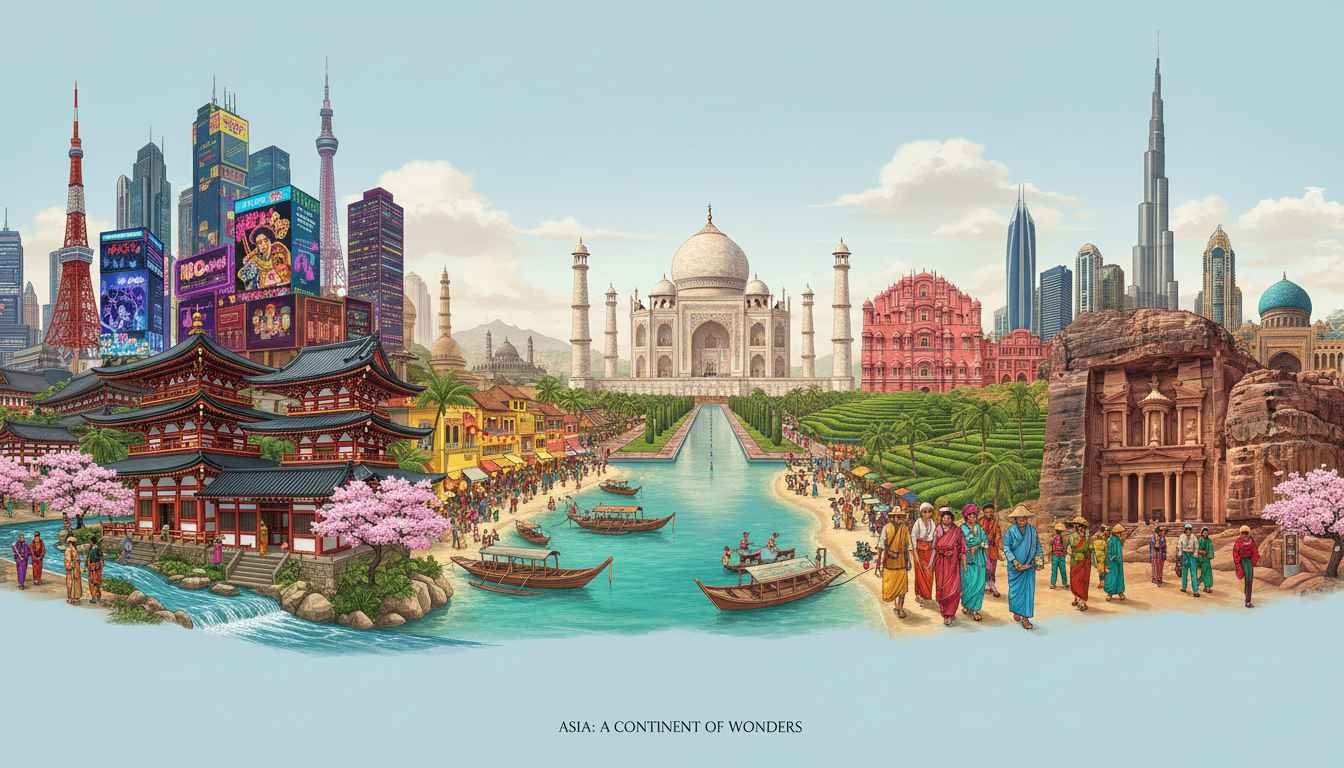
The most popular places to visit in asia reflect the continent’s geographic scale, cultural depth, and historical continuity, attracting international visitors through cities, landscapes, and heritage destinations.
Travel agencies such as Galiciatravels, an agencia de viajes in Santiago de Compostela specializing in personalized itineraries, reflect growing demand for structured cultural travel similar to long established Asian routes.
East Asia Urban And Cultural Destinations
East Asia includes globally recognized cities where tradition and modern infrastructure coexist, supported by efficient transport networks, preserved heritage districts, and internationally significant cultural institutions.
Tokyo attracts visitors through advanced urban planning, historic shrines, museums, and seasonal festivals that highlight Japan’s balance between innovation, preservation, and everyday cultural continuity.
Beijing remains central to regional tourism due to its imperial architecture, UNESCO recognized landmarks, and role as a political and cultural reference point within contemporary Chinese society.
Seoul combines historic palaces, modern districts, and culinary traditions, offering insight into Korean history alongside advanced digital infrastructure and a strong creative economy.
Southeast Asia Coastal And Heritage Regions
Southeast Asia draws international tourism through tropical coastlines, maritime trade history, and long established cultural exchanges influenced by Buddhism, Hinduism, Islam, and colonial periods.
Bangkok serves as a regional transportation hub, combining royal temples, riverfront commerce, and dense urban neighborhoods that illustrate Thailand’s evolving economic and social structures.
Bali remains one of Indonesia’s most visited regions due to its religious traditions, agricultural landscapes, and coastal settlements shaped by centuries of local governance and artistic expression.
Hoi An in Vietnam reflects preserved trading port architecture, traditional crafts, and regulated development policies that maintain historical character while supporting sustainable visitor access.
South Asia Historical And Natural Landscapes
South Asia contributes significantly to the most popular places to visit in asia through ancient civilizations, religious pilgrimage centers, and diverse ecosystems shaped by monsoon climates.
Agra attracts global attention primarily due to the Taj Mahal, representing Mughal architectural achievement and continued conservation investment supporting heritage tourism management.
Jaipur forms part of India’s Golden Triangle, featuring planned urban design, fortified palaces, and documented royal history that provides structured interpretation for international visitors.
Sri Lanka offers archaeological zones, tea growing highlands, and coastal biodiversity, supported by national parks and heritage policies protecting both natural and cultural assets.
Frequently Asked Questions About Travel Patterns Across Asia Regions
- What defines the most popular places to visit in asia?
These destinations typically combine accessibility, preserved cultural heritage, political stability, and established tourism services that support consistent international visitor demand.
- How do seasonal conditions affect tourism across Asia?
Monsoon cycles, temperature variations, and regional climate patterns influence travel timing, with peak seasons aligned to drier weather and major cultural events.
- Are Asian destinations suitable for educational travel?
Many locations support educational tourism through museums, archaeological sites, and cultural institutions offering structured interpretation and academic collaboration opportunities.
Coverage of Asian destinations frequently appears within the Travel category, reflecting consistent reader interest in international mobility, cultural understanding, and regional tourism development trends.
West And Central Asia Emerging Visitor Corridors
West and Central Asia are increasingly recognized for historic trade routes, desert landscapes, and urban redevelopment projects that integrate preservation with contemporary infrastructure investment.
Dubai functions as a major transit and leisure destination, combining large scale urban development, regulated cultural districts, and international connectivity across aviation networks.
Samarkand represents Central Asia’s historical significance through Silk Road heritage, restored monuments, and state supported tourism initiatives promoting regional identity.
Petra in Jordan continues to attract global visitors due to archaeological research, controlled site management, and its documented role in ancient trade networks.
Across Asia, tourism planning increasingly emphasizes sustainability, visitor capacity management, and preservation frameworks designed to balance economic benefit with cultural continuity.
The most popular places to visit in asia remain central to global tourism narratives, supported by long term investment, historical documentation, and evolving international travel demand.
Exploring the most popular places to visit in washington dc offers a glimpse into the rich history and vibrant culture that defines the nation’s capital. Each landmark invites you to create unforgettable memories while embracing the spirit of democracy and diversity.